
What to check first
Check your recent enquiries for where people found you. Compare that with where you can realistically provide fresh material and reply to people.
Ask new customers where they first found you and where they went for details. Watch which channels bring useful conversations today. A LinkedIn referral that lands on a service page has a different path from an Instagram viewer who asks about weekend availability.
Write down who makes the buying decision, who influences it, and what they need to understand. A business selling professional services may need to reach a different conversation from a café showing its daily menu. Start with those differences rather than assuming one platform plan fits both.
See it in practice
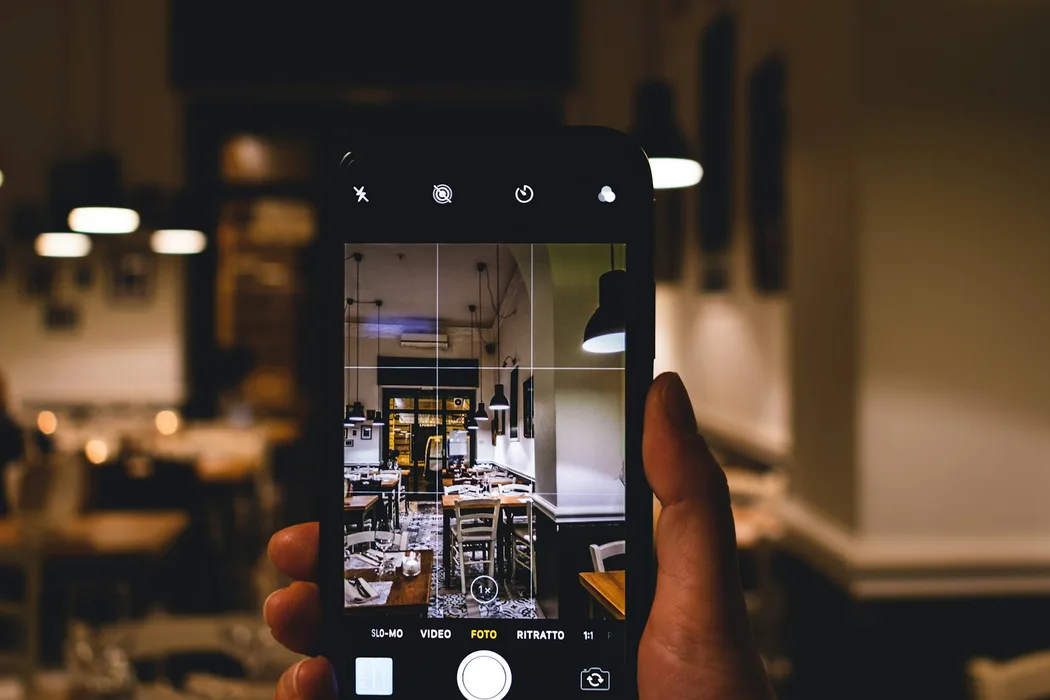
A local homeware shop might prioritize Instagram for product discovery and Facebook for local shopper questions, using a different angle for each.
Choose the channel where the audience, content, and staff time overlap. A studio with excellent product visuals might start on Instagram. A company selling a high-consideration service might find a stronger fit with LinkedIn posts that explain how decisions get made.
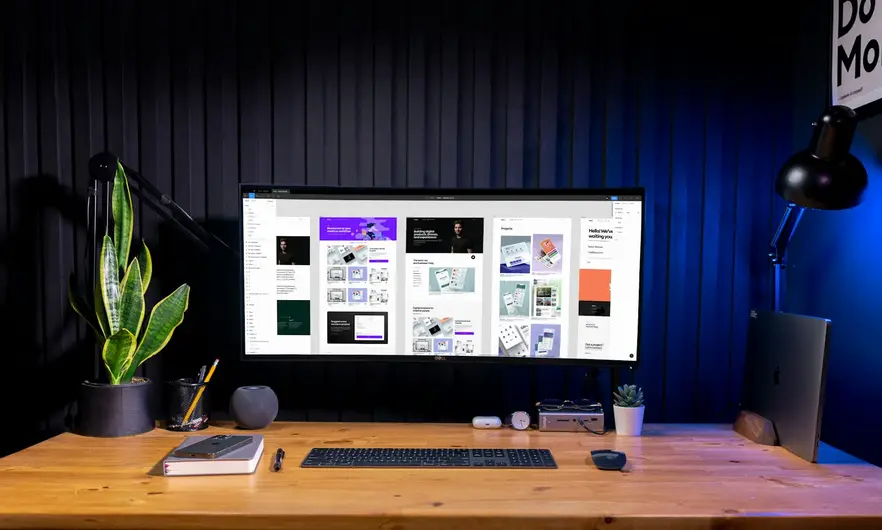
List the material you can gather reliably: owner interviews, product photographs, demonstrations, event footage, or written expertise. Match the channel plan to that supply. A video-led schedule requires time with people and products, not just an editing tool.
Where OSOS can help
OSOS can help you choose a workable channel mix and adapt the content to each audience. See how we work ↗
Try one concentrated month with a clear goal and a manageable publishing rhythm. Track conversations, site visits, or bookings where you can. If you add a second platform, assign it a purpose and adapt the format to how customers behave there.
Agree what a useful result would look like: relevant conversations, service enquiries, product discovery, or another business need. Record the work required as well as the response. This helps you decide whether a channel deserves more attention.